A Designer's Practical Review of the Santa Hat Embroidery Pattern
As an embroidery designer running a small gift shop, I approach every new design with a mix of excitement and practical scrutiny. Before a file ever touches a customer’s order, I test it as if it were a final product. Today, I’m reviewing the Santa Hat machine embroidery design, envisioning it on the personalized gifts that fill my shop during the festive season.
First Impressions: Festive Charm & Emotional Appeal
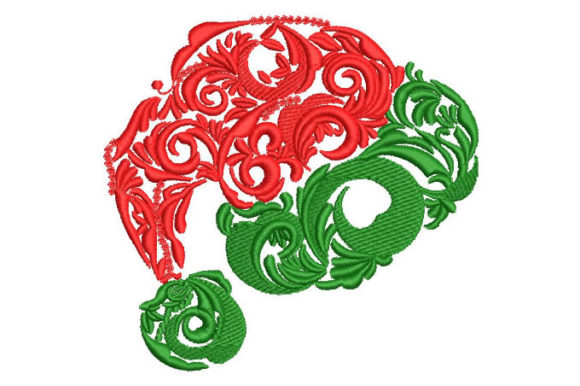
The initial view of this design on screen is exactly what the description promises: beautifully intricate and festive. It carries a classic, sweet charm that feels both handmade and timeless. The detail level suggests a splendid Christmas embroidery that isn’t overly playful or cartoonish, but rather has an elegant, seasonal warmth. This emotional appeal is key—it feels like a keepsake. For a customer seeking a meaningful embroidered gift, that first glance at the preview promises a product with heart, which is half the battle in personalized retail.
The Gift Shop Application: From Baby Blankets to Wedding Keepsakes
This is where the Santa Hat design truly shines. Its classic nature makes it incredibly versatile for a personalized gift shop. I immediately envision it on a soft baby blanket or nestled in a nursery item, bringing a gentle holiday touch. For a wedding gift, especially a December wedding, embroidered on a pillow cover or a custom tote bag for the newlyweds, it becomes a romantic seasonal keepsake.
For everyday festive cheer, it’s perfect for an embroidered towel or apron—products that are staples at craft fairs and in Etsy listings. As a small shop product, a beautifully executed Santa Hat on a pillow cover or blanket elevates a simple item into a custom embroidery with perceived value. For baby embroidery on garments, or as a focal point on a kitchen towel, it attracts customers looking for that special handmade quality over a generic store-bought item.
Planning for Different Products & Fabrics
Versatility requires forethought. While the design’s intricacy is a strength, it demands careful application. On textured fabric like a thick towel or a cozy blanket, stitch density and stabilizer choice will be paramount to preserve those details. For stretchy baby clothes or garments, testing on scrap fabric is non-negotiable to prevent distortion.
The design’s potential on dark fabric is exciting, but thread color contrast must be planned meticulously—a bold red and white scheme would pop beautifully. On curved surfaces like a hat or a stuffed toy, hoop size and placement need extra attention. For products destined for frequent washing, like kitchen towels or aprons, a robust stitch execution ensures longevity, maintaining customer trust.
Any delicate details or small lettering within the design would need a close check after stitching on the actual product. This is a design where creating light and dark fabric mockups for your product photography can significantly boost buyer engagement, showing the versatility of your finished product.
Impact on Giftability & Business Practicalities
From a business owner’s perspective, a well-executed Santa Hat embroidery directly enhances giftability. It tells a story of care and tradition. On an Etsy listing or as a custom order preview, a crisp photo of this embroidery on a pillow or blanket creates an emotional connection that translates to a sale. It raises the perceived value of a simple item, allowing a handmade seller to command a fair price.
For digital product sellers offering the file itself, its multiple embroidery file formats (as mentioned) are a practical boon for customers using different machines. However, a critical note: before using this design for any commercial embroidery or selling finished products, one must confirm the commercial licensing terms. This step is essential and should never be assumed.
Essential Embroidery Notes Before You Hoop
My practical review process always includes these steps, and I’d recommend them for anyone using this Santa Hat design:
- Always test on scrap fabric identical to your final product fabric—a thick towel test differs vastly from a baby knit test.
- Review the stitch density on-screen and plan your stabilizer accordingly; intricate designs can require more support.
- Confirm the necessary hoop size for your intended project. A blanket might need a larger hoop than a kitchen towel.
- Compare thread color palettes for both light and dark background fabrics to maximize visual impact.
- After stitching, check small details meticulously to ensure quality before offering it as a finished product.
- And, as stressed above, verify the license for commercial use if you are a small business owner selling embroidered goods.
A Design for Meaningful Holiday Connection
Ultimately, the Santa Hat machine embroidery design feels like a tool for creating connection. It’s not just a digital embroidery file; it’s a pathway to a personalized gift that can adorn a wedding keepsake, welcome a new baby in a nursery, or add festive cheer to a family kitchen. Its classic, intricate charm, when paired with professional embroidery technique, results in a product that customers will cherish. As a designer, my review confirms its potential—with careful planning and respect for the craft, it can become a splendid centerpiece of your holiday product line, building customer trust and bringing seasonal warmth to handmade products.