Beach Clam Applique Design Review for Embroidery Projects
Some designs land in your digital library and immediately spark a dozen project ideas. That was my reaction when I opened Beach Clam Applique for the first time. There is something quietly charming about a shell motif that does not try too hard. It knows exactly what it is: a breezy nod to shoreline afternoons, salty air, and the kind of summer memory people want stitched onto something they will keep for years.
I have been testing and using machine embroidery designs professionally for over a decade, and I have learned that the simplest concepts often carry the most commercial weight. A clam shell is not flashy. It is not trendy in a way that will date itself by next season. That is precisely what makes Beach Clam Applique such a smart choice for craft business owners, Etsy sellers, and anyone building a product line around coastal aesthetics.
What This Design Communicates Before a Single Stitch Is Placed
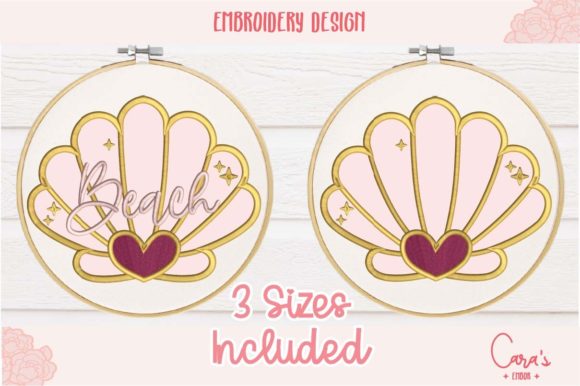
The first thing I noticed was the silhouette. The shape reads instantly as a clam shell without any confusing outline tangents or awkward proportions. That matters more than many embroiderers realize. When a customer scrolls through a product listing at thumbnail size, recognition speed determines whether they stop. Beach Clam Applique passes that test. The curves are gentle, the symmetry feels organic rather than stiff, and the overall mood lands somewhere between playful and serene.
This design belongs to the Fish category, which makes sense in a thematic way. Clam shells share that underwater world association, and grouping it with marine life designs helps buyers find it when they are building a coordinated beach or ocean collection. For shop owners curating a summer line, having a shell that pairs naturally with fish, seahorses, and coral motifs creates upselling opportunities across multiple Embroidery listings.
The applique approach, rather than a fully filled stitch design, gives it a textural advantage. You get that satisfying fabric-on-fabric dimension that photographs beautifully in product mockups and feels substantial in person. I imagined it immediately on a natural linen tote bag, the contrast between the woven background and a crisp cotton clam shell creating exactly the kind of handmade product detail that justifies a premium price point.
A Real Project Walkthrough That Reveals the Design's Strengths
Last week, I ran Beach Clam Applique through its paces on a project I had been planning for an upcoming seaside boutique order. The client wanted a set of personalized beach bags for a small coastal gift shop, and I needed a motif that could anchor the design without competing with the monogram I planned to add beside it.
I hooped a medium-weight canvas tote in a soft oatmeal color, selected a washed cotton print in pale aqua for the applique fabric, and let the machine do its work. The placement stitch came down cleanly, giving me a precise guide for positioning the fabric piece. After trimming and letting the tack-down and satin stitch border finish, I stepped back to assess the result.
What impressed me most was how well the edge stitching handled the curves. The satin stitch followed the shell's scalloped top edge without density issues or puckering. That top section is where many poorly digitized shell designs fail. They either pack too many stitches into a tight arc or leave gaps that expose raw fabric edges after washing. Beach Clam Applique avoided both problems on my test run.
The interior detail lines, which suggest the shell's natural ridges, used a light running stitch that added visual interest without overwhelming the applique fabric underneath. I appreciate when a designer shows restraint here. Over-stitching the surface of an applique can stiffen the fabric and reduce the soft hand that makes applique appealing in the first place.
Fabric Choices That Make or Break the Finished Look
Like any applique design, the fabric you choose for the shell piece carries enormous weight in the final appearance. I tested this design on three different applique materials to give you a realistic sense of what works.
A quilting cotton in a solid pastel gave the cleanest result. The weave is tight enough that the satin stitch border sat flush without any fraying concerns, and the slight sheen of the cotton caught natural light in a way that made the shell look almost pearlescent. For custom apparel like beach cover-ups or lightweight sweatshirts, this combination feels intentional and polished.
A linen blend introduced a beautiful texture that suited the coastal theme even more. The natural slubbing in the linen added a rustic, artisanal quality that would photograph exceptionally well for Etsy seller listings and Instagram product shots. The tradeoff is that the looser weave requires sharper trimming along the placement line and a slightly denser satin stitch border to prevent edge fraying over time.
A metallic or shimmer cotton turned the design into something entirely different, almost jewel-like. This option would work brilliantly for holiday ornaments, embellished pillow covers, or boutique accessories where a touch of glamour fits the brand. Just be mindful that metallic threads for the border satin stitch can increase friction and require needle changes more frequently during production runs.
Where This Design Shines Brightest on Finished Products
After testing Beach Clam Applique on several blanks, I have strong opinions about where it delivers the best return on your stitching time and material investment.
Tote bags and beach bags are the obvious and correct answer. The scale of the design, even on larger hoop sizes, fills the front panel of a standard canvas tote proportionally. It leaves enough negative space for adding a name, a date, or a short phrase without crowding. For a handmade product meant to sell at a craft fair or in a coastal boutique, this balance between motif and empty space signals thoughtful design rather than rushed decoration.
Beach cover-ups and lightweight kimonos present a slightly trickier but rewarding application. The fabric is usually sheer or loosely woven, so your stabilizer choice becomes critical. A water-soluble topping and a medium-weight cutaway kept my test stitch looking crisp without ghosting through to the front. Placing the clam near a hemline or along a side panel rather than dead center on flowing fabric helps the applique move naturally with the garment.
Tea towels and kitchen linens might seem like an unexpected suggestion, but hear me out. Vacation homes and summer rentals devour coastal-themed kitchen decor, and a clam shell applique on a flour sack towel feels fresh without being predictable. The design is compact enough to fit within standard tea towel embroidery areas, and the applique construction means you avoid the dense stitch fields that can make towels stiff and less absorbent.
Baby and children's items are another strong category. A onesie with a single clam shell on the chest or a sun hat with the design centered on the brim carries the seaside theme without overwhelming small garments. Parents shopping for vacation outfits or beach-themed baby shower gifts respond well to subtle, well-executed motifs rather than cartoonish designs that dominate the piece. Baby embroidery buyers tend to value restraint.
Understanding the Practical Limits Before You Stitch
No design is right for every project, and being honest about limitations protects your reputation as a maker. Here is where I advise caution with Beach Clam Applique.
Small hoop sizes may reduce the design to a point where the interior ridge details become difficult to read. Test the scaled version before committing to a batch of tiny patches or miniature accents. If the running stitches that define the shell lines start to look like random dashes, you have gone too small.
Highly textured or napped fabrics like terry cloth towels or fleece can blur the satin stitch border. The pile pushes through or catches the stitching, softening the crisp edge that makes applique look sharp. You can counteract this with a heavier water-soluble topping and a slightly higher stitch density setting, but the result will never match what you achieve on a smooth woven surface.
Dark or very busy background fabrics demand thoughtful contrast planning. If you choose a dark applique fabric on a dark base, the design loses its silhouette entirely. I always recommend that makers test their thread and fabric color combinations in grayscale before committing. If the clam shell disappears in a black-and-white photo, it will struggle to catch a buyer's eye in a product listing thumbnail.
Curved surfaces like cap brims or structured hat fronts require careful placement and possibly a specialized hoop. The design works beautifully flat, but wrapping it around a curve introduces distortion that can warp the shell's symmetrical shape. If you specialize in embroidered patch production, stitching it flat and then applying it as a patch solves this problem neatly.
How This Design Supports a Professional Product Line
What separates hobby stitching from a sustainable craft business is the ability to recognize designs that work reliably across multiple products and customer preferences. Beach Clam Applique earns its place in a commercial embroidery library because it is modular by nature.
You can stitch it solo for a minimalist look that appeals to customers who prefer understated branding. You can pair it with text, coordinates, or a monogram for personalized gift orders that command higher prices. You can group it with other marine designs to create themed sets that increase average order value. Flexibility of this kind reduces the number of designs you need to stock while expanding the variety of finished products you can list.
The applique format also means you are not locked into a single color story. Swap the fabric piece seasonally. Bright corals and turquoises in summer, muted linens in autumn, and crisp whites for wedding-related orders. One digital embroidery file adapts to dozens of aesthetic directions without purchasing additional digitized designs. For small shop product owners working with limited budgets, that kind of mileage matters enormously.
Notes on Stitch Quality and Buyer Confidence
Customer trust in handmade product purchases hinges heavily on perceived durability. After washing my test tote bag three times in cold water and air-drying it, the satin stitch border showed no shifting and the applique fabric remained secure. That wash performance directly impacts whether a buyer recommends your shop to friends or leaves a positive review. Nobody wants a shell that curls at the edges after the first trip to the beach.
The stitch execution around the narrow hinge area where the two halves of the shell meet deserves particular attention. On my test piece, the digitizer handled this transition smoothly, without leaving a weak point where threads could snag. If you are producing items in volume, run your own durability test on the exact fabric combination you plan to sell. Slight differences in material thickness or stabilizer choice can shift results.
Before You Add This Design to Your Shop Rotation
Every experienced embroidery designer develops a pre-stitch checklist, and Beach Clam Applique is no exception to that discipline.
- Test on scrap fabric that matches your intended blank as closely as possible. Do not trust that a cotton test translates perfectly to a linen or knit product.
- Review thread color contrast under multiple lighting conditions. Natural daylight, warm indoor bulbs, and flash photography all read color differently.
- Inspect stitch density on the satin border. Too dense and the thread snaps during high-speed production. Too loose and the fabric edges peek through after washing.
- Confirm hoop size compatibility before purchasing. Double-check the design dimensions against your machine's maximum stitch field.
- Test in grayscale to confirm the design holds its shape when color information is stripped away.
- Use proper stabilizer for your fabric type. Cutaway for knits, tear-away for stable wovens, and water-soluble topping for textured or napped surfaces.
- Verify licensing terms directly with the design source. Confirm whether the file is cleared for commercial use on finished products for sale before listing items that include this design.
I also recommend checking the stitch density and thread colors in the file against your machine's performance profile. Machines with slightly different tension calibrations can produce noticeably different results from the same digital file, and what looked flawless in a preview may need minor adjustments on your specific setup.
The Emotional Pull That Sells Coastal Products
There is a reason coastal designs sustain year-round demand even when beach tourism peaks in summer. People who love the ocean carry that connection with them long after their vacation tan fades. A clam shell stitched on a tote bag design does not just decorate the bag. It reminds the owner of a specific morning, a specific shoreline, a specific feeling of calm.
That emotional resonance is what buyers pay for, whether they articulate it or not. When your finished product captures even a fraction of that nostalgia, your shop gains a competitive edge that goes beyond stitch quality and thread tension. It becomes a product people purchase as gifts, not just for themselves. A holiday embroidery gift featuring this shell paired with a beach town name or a significant date feels personal because the motif already carries a universal warmth.
For printable mockup purposes and digital product previews, the clean shape of Beach Clam Applique photographs well and pops against plain backgrounds. That is a practical advantage for sellers who rely on mockup images to communicate product value before customers can touch the finished item. Good design photography starts with a design that holds its own visually, and this shell meets that bar.
I will close with a thought that has guided my own purchasing decisions as a professional embroiderer for years. A design that you can imagine stitching ten times in a row without getting bored is a design worth keeping in your active library. Beach Clam Applique earned that spot in mine. It is calm, adaptable, seasonless in its appeal, and built with enough attention to technical details that I trust it on client orders without hesitation. For makers building a product line around coastal living, seaside memories, or simply good craftsmanship, this one is a quiet workhorse worth adding to your rotation.