Christmas Canes Embroidery: A Seller’s Honest Review
First Glance: What Christmas Canes Brings to Your Product Line
When I first spotted Christmas Canes on Creative Fabrica, I knew instantly it had the kind of quiet charm that performs well in a small shop. The official description promises “a sweet, festive accent” featuring two candy canes – a motif that rarely goes out of style during the winter season. For a machine embroidery design, simplicity is often the strongest selling point, and this one seems to lean into that beautifully.
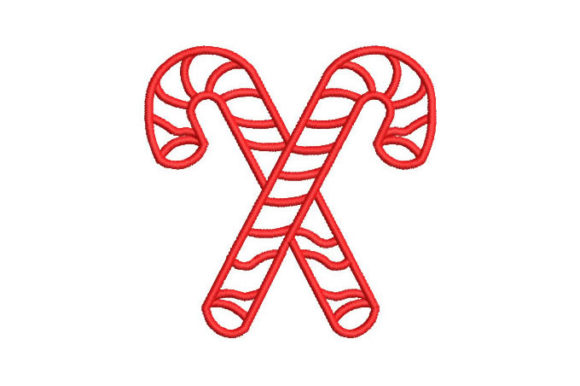
I picture the design as crisp, almost cookie-cutter clean, with the iconic J‑shape of each candy cane clearly defined. That readability matters enormously when you’re scrolling through dozens of Etsy listing thumbnails. It doesn’t need to be complicated; it just needs to look deliberate. Based solely on the title and that short preview, I’d classify this as a classic, slightly playful, and definitively festive design. You could push it toward a rustic farmhouse look with muted red and cream threads, or keep it bright and cheerful with bold scarlet and pure white – the creative control stays with you.
Where Christmas Canes Shines: Product Ideas That Make Sense
I always ask myself one question before downloading any Creative Fabrica embroidery file: “What will I actually stitch this onto?” With Christmas Canes, the list came together fast because candy canes are a neutral holiday symbol that works across ages and tastes.
- Kitchen towels and aprons – A candy cane pair framed by a simple border stitch instantly elevates a plain linen towel into a hostess gift that feels planned, not last‑minute.
- Tote bags – Imagine a natural cotton tote with these canes placed off‑center near the bottom, maybe with a name or a short festive phrase. That’s a repeatable bestseller for craft fairs and Etsy shops.
- Sweatshirts and caps – For custom apparel, placement matters. A tiny candy cane on a beanie cuff or a larger one on the front pocket of a crewneck gives that “cute but not overdone” look shoppers crave.
- Baby embroidery – On a soft knit blanket or a onesie, the design takes on a gentle, nursery‑friendly personality. Choose pastel peppermint hues, and you’ve got a keepsake parents love.
- Embroidered patches and pillow covers – The motif lends itself to standalone patches you can sell in sets, and a pair of candy canes on a neutral throw pillow can anchor a cozy Christmas vignette.
- Personalized gifts – Add a family name or the year beneath the canes, and suddenly you’re selling memory items that command higher prices.
Because the design seems unfussy, it also fits well into seasonal collections. You could launch a whole “Sweet Christmas” series with coordinating gingerbread, peppermints, and cocoa motifs, then use Christmas Canes as the versatile piece that ties it together.
The Selling Psychology: Why Buyers Respond to a Design Like This
Over the years I’ve learned that giftability is everything for a handmade product. Christmas Canes has the kind of immediate recognition that makes a customer think, “My aunt would smile at this,” or “That’s the perfect touch for my kids’ holiday outfits.” The design helps a product feel more professional because the stitches themselves become part of the item’s identity – not an afterthought.
From a photography standpoint, red and white contrast beautifully against most backgrounds, which means your product shots will pop on screen. I often notice that embroidered items with clear, limited color palettes get higher engagement on social media simply because they’re easier to process at a glance. Christmas Canes likely falls into that sweet spot: visually crisp, emotionally warm, and unmistakably seasonal.
It also enhances the perceived value of a finished product. A basic tea towel retails for a few dollars, but add a well‑stitched candy cane pair and buyers happily pay $12–$18 because they’re purchasing a curated, ready‑to‑give item. The embroidery signals care, and care translates to sales.
Practical Seller Notes Before You Commit
I never list a new embroidery file without a healthy dose of testing, so here’s what I’d do if Christmas Canes landed in my digital library today.
Stitch‑Out and Material Trials
Run a sample on medium‑weight cotton first, then test on a thick loop‑back sweatshirt fleece. The stitch density will behave differently on stretchy knits versus woven fabrics, and you want to see whether the candy cane stripes remain distinct. I’d also try a metallic gold thread for fun – a little sparkle can turn this into an elegant cocktail napkin design rather than just a playful one.
Thread Color Comparisons
Red is never just red. I usually stitch out three variations: true cherry red for a classic look, a deep burgundy when I want richness, and a soft coral‑red for a shabby‑chic feel. The same goes for white – sometimes a natural off‑white blends better with unbleached linen. The product description doesn’t specify a palette, so you get to make those creative calls.
Hoop Size and File Format Checks
The Creative Fabrica listing may include multiple sizes, but since the description ends abruptly, I can’t confirm hoop size or available formats here. I strongly encourage you to visit the actual product page and look for sizes that fit your machine. If only a large hoop version is offered, will that limit the baby‑blanket or cap placements you imagined? Conversely, a tiny version might be perfect for patches but too delicate for a kitchen towel embroidery. Know your best‑selling blanks before you buy.
Stabilizer and Tension Testing
Candy cane stripes mean parallel satin columns. I’d want to check that adjacent stripes don’t pull or gap. A good cutaway stabilizer usually resolves this, but I always photograph the back of my test piece to see whether the tension needs adjusting. A clean back means fewer complaints after washing, which protects your shop’s reputation.
Licensing and Commercial Use
Before stitching for profit, I comb through the Creative Fabrica license terms tied to this design. Can you sell finished products on Etsy without limit? Are there restrictions on digital resale? The description doesn’t detail this, so I make a habit of saving a screenshot of the license page with a date stamp. If you plan to offer commercial embroidery products, clarify those rights first.
Photographing Christmas Canes for Maximum Impact
A design’s true selling power shows up in the listing photos. For Christmas Canes, I’d stage a flat lay with sprigs of holly and a chunk of dark wool, so the red and white stitches leap forward. On a model, a candy cane on a cream sweatshirt feels genuinely wearable – not just a themed costume piece. I’d also create a printable mockup using the digital preview or a clean scan of my stitch‑out, offering buyers a glimpse of how the item arrives. In the Etsy seller world, thoughtful photos routinely double conversion rates.
Additionally, I’d shoot a short video of the embroidery on a rotating card or on fabric to show texture. A subtle sheen from the thread can be the nudge a shopper needs to click “add to cart.” And because candy canes are so recognizable, they work wonderfully in thumbnail size; you won’t lose the design’s identity even on a mobile screen.
How Christmas Canes Could Fit a Seasonal Launch Strategy
I like to plan around micro‑seasons. Candy cane motifs gain traction as early as October and sell steadily through December. Christmas Canes could anchor a “Sweet & Simple” mini‑collection: a matching set of designs that includes a single candy cane, a peppermint swirl, and perhaps a cookie. You could offer them individually or bundle them at a slight discount for customers wanting a cohesive look across a kitchen décor set.
For in‑person markets, small items like candy cane‑embroidered zipper pouches or ornament‑style patches are easy upsells. They cost little to produce, and the finished goods feel remarkably premium when the embroidery is crisp. If you sell digital embroidery file sets too, this design becomes a sample piece you can showcase in your social media previews, driving traffic back to your Creative Fabrica picks.
My Candid Take: Is Christmas Canes Worth the Stitch?
Based on what I see, Christmas Canes is a thoroughly sensible addition for any craft business that serves a holiday‑loving audience. It strikes that balance between cute and classic, never tilting too far into childish territory. The design likely rewards sellers who pay attention to thread choice and material pairing, and it offers enough flexibility to live on everything from baby embroidery to sturdy home linens.
That said, the incomplete product description on Creative Fabrica means you’ll need to verify all technical specifications yourself. Don’t skip that step. A design that looks charming in a mockup could still frustrate you if the stitch count drags your machine or the smallest size loses detail. I’d also recommend doing a wash test on your first sample – stitch density and stabilizer choices reveal themselves in the laundry cycle.
For the price point Creative Fabrica typically offers, Christmas Canes seems like a low‑risk opportunity to broaden your seasonal product line. The motif is timeless, the commercial potential is clear, and with a little testing you can turn a simple pair of candy canes into products that genuinely delight your customers. If you’re building out your Christmas inventory right now, this embroidery design deserves a close look.