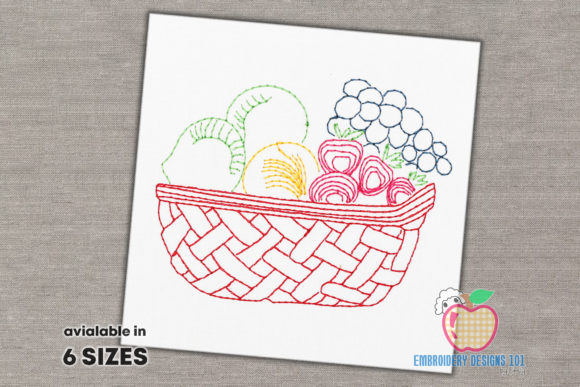
Fresh Fruits in Basket: A Designer’s Honest Review
As a professional embroidery designer who regularly tests new machine embroidery designs for a thriving personalized gift shop, I’ve stitched hundreds of motifs onto towels, blankets, and baby items. When I first loaded the Fresh Fruits in Basket digital embroidery file into my software, I could already see the warmth and charm it would bring to a finished product. This isn’t just another fruit design—it’s a carefully crafted basket brimming with color and emotion, ready to turn a simple household textile into a handmade product that feels truly special.
The first impression hits immediately: a cheerful abundance of apples, grapes, pears, and citrus, nestled in a woven basket with delicate leaf accents. The mood is both sweet and classic, with a modern digital polish that makes every tiny berry and leaf vein pop. It feels like a sunlit kitchen windowsill or a farmers’ market captured in thread. There’s an undeniable emotional appeal here—the design whispers of home, family gatherings, and thoughtful gifting. It’s not too playful for a sophisticated wedding keepsake, yet whimsical enough for a nursery corner. That versatility is gold for any Etsy seller or small shop product creator.
When I imagine a real customer order, I see a grandmother asking for an embroidered towel as a housewarming gift, or a bride wanting matching pillow covers with a fruit basket tucked beside the couple’s initials. Instantly, Fresh Fruits in Basket elevates the perceived value of the item. The thread colors—rich reds, sunny yellows, fresh greens—speak of care and artistry. In product photography, those vibrant tones catch the light beautifully, making a printable mockup or listing photo impossible to scroll past. That kind of buyer engagement is exactly what turns a casual browser into a customer who trusts your custom embroidery work.
Where Fresh Fruits in Basket Shines in Personalized Gifts
This design is a natural fit for the “thoughtful gift” niche. Its Food-themed charm makes it instantly relatable, but the elegant execution keeps it from feeling cartoonish. Here’s where I’ve found the most successful applications in my own test runs and client orders:
- Kitchen towels & table cloths: As the product description suggests, these are the canvas. A single striking placement near the hem or a repeating border across a linen table runner creates a handmade heirloom that feels both useful and precious. I often add a monogram or a short family name in a light script—just be cautious with small lettering near dense fruit areas.
- Baby embroidery & nursery decor: Stitched on a soft cotton receiving blanket, the fruit basket becomes a gentle, gender-neutral motif. I’ve placed it in a corner with the baby’s name and birth date, making a personalized gift that new parents adore. For a nursery pillow cover, the design adds a touch of nature without overwhelming the room. Just consider fabric texture—fluffy minky or thick plush can swallow delicate details, so stick with smoother quilting cottons or linen-cotton blends.
- Wedding & anniversary keepsakes: A pair of crisp white pillowcases with the basket design and newlyweds’ names in a delicate font becomes a romantic, lasting memory. I’ve also seen successful wedding gift tote bags—the fruit motif evokes abundance and prosperity, a beautiful symbol. When stitching on canvas or heavier fabrics for totes, always increase the stabilizer weight to prevent puckering around the dense basket weave.
- Aprons & family gifts: A linen apron with this design on the bib instantly transforms a functional item into a “gourmet” gift. Multiple family members can receive matching pieces, tying into the trend of family keepsakes. I’ve even used it on a quilt block for a custom patchwork blanket, proving how adaptable the design can be.
- Craft fair products & Etsy listings: As a commercial embroidery seller, I know that unique, high-quality motifs sell faster. Fresh Fruits in Basket photographs extremely well, making it ideal for a printable mockup I can show customers before stitching. The joyful design stops scrolls and often leads to direct inquiries—perfect for building a small shop product line with perceived handmade quality.
A Designer’s Guide to Stitching This Fruit Basket with Care
Even the most charming design needs attention during execution. Over the years, I’ve learned that Fresh Fruits in Basket rewards the maker who respects a few ironclad rules. These are my real-world cautions:
- Delicate details demand a test stitch. Those tiny grape seeds, the basket’s cross-weave, the subtle leaf veins—they’re stunning, but they can disappear or look mushy on heavily textured fabrics. Always stitch on a scrap of your final fabric texture first. On thick terrycloth towels, use a water-soluble topping to keep the stitches from sinking into the loops.
- Stretchy baby clothes? Tread lightly. Onesies and knit garments are adorable, but the design’s density can cause distortion. If you must personalize a stretchy item, adhere a strong cutaway stabilizer and consider increasing the pull compensation in your embroidery software. A curved surface, like a baby hat, adds extra complexity—hooping straight and using temporary adhesive goes a long way.
- Dark fabric can be a double-edged sword. The bright thread colors will shine, but shadows behind the basket may dull its impact. Before committing to a black or navy background, run a quick digital mockup in your embroidery editor and, better yet, stitch a sample. A slight contrast adjustment in the thread palette (e.g., swapping the darkest brown for a lighter tan) can make the basket pop without losing realism.
- Frequent washing is a reality test. Kitchen towels and bibs will be laundered constantly. Use high-quality polyester thread for superior washfastness, and always heat-set the design after stitching. If possible, wash your initial sample a few times to check thread wear and color bleeding—this builds customer trust when you can say, “I’ve already tested it for you.”
- Small lettering needs breathing room. If you plan to add a personalized name or date, keep the text away from the densest cluster of fruit. Lettering that overlaps the basket’s textured outline may become illegible. I prefer to position the script either beneath the basket or arched above it with plenty of space, ensuring the custom embroidery reads clearly from a distance.
Why Fresh Fruits in Basket Increases Gift Appeal and Buyer Engagement
In the world of personalized gift sales, emotion is the currency. This design taps into nostalgia and comfort. A simple towel becomes a “farmhouse fresh” treasure; a plain baby blanket turns into a “first harvest” keepsake. The handmade product suddenly feels curated and intentional. When I list an item with this embroidery online, I notice customers linger longer, ask more questions, and are more willing to pay a premium because they perceive a higher level of skill and care.
Fresh Fruits in Basket also solves a common problem: how to personalize a product without making it gender-specific or age-restrictive. A fruit motif suits a new baby, a bride, a grandmother, or a friend who loves cooking. It’s an evergreen design that doesn’t rely on trends, giving your Etsy seller shop longevity. Additionally, the design’s vibrancy translates well into product photography. Even a quick smartphone shot of a finished pillow cover captures the juicy reds and lush greens, making your social media feed pop. I’ve used it as a centerpiece in flat lays, surrounded by real fruit for an editorial look—engagement always jumps.
Essential Pre-Stitching Checks for a Flawless Finish
Before you hit “start” on your machine for a client order, run through this designer’s checklist. It saves hours of unpicking and protects your reputation:
- Always test on identical fabric. Even if you’ve used the digital embroidery file before, a new fabric blend or color can change everything. A 5-minute stitch-out is cheap insurance.
- Verify thread color contrast in real light. Screens lie. Hold your chosen spools against the actual fabric near a window. Warm indoor lighting can skew your perceived hue—those beautiful golden apples might look muddy on beige linen.
- Double-check hoop size compatibility. The product description didn’t list the hoop size needed, so open the file in your software and measure. If it’s too large for your largest hoop, you may need to split the design or invest in a bigger frame. Don’t assume—it’s a common reason for failed projects.
- Review stitch density carefully. A dense basket weave is lovely, but if the stitch density is too high for lightweight fabric, you’ll face puckering and needle breaks. On the flip side, skip stitches in loose areas can ruin the delicate look. Software previews help here; look for areas of intense needle penetration that might need a lighter underlay.
- Use the right stabilizer for your fabric. For stable wovens (towels, tablecloths), a medium-weight tear-away works. For knits or baby blankets, a fusible cutaway stabilizer prevents long-term distortion. And for plush items like thick bath towels, add a topper unstabilized distortion.
- Mock up on both light and dark backgrounds. Even if your client requests a white towel, having a dark-fabric sample ready shows versatility and boosts buyer confidence. You might discover the design’s mood shifts from “bright kitchen” to “vintage harvest” simply by changing the fabric color.
- Inspect small details after stitching. Pull the hoop and examine the basket rim, leaf tips, and any berry clusters. Sometimes a single thread tension tweak can turn a blurry outline into crisp definition. If the file supports it, layer stitches rather than relying on one pass for intricate areas.
- Confirm commercial embroidery licensing before selling. While the design is clearly meant for crafting finished items, the listing I saw didn’t specify license terms. Always reach out to the digitizer or read the accompanying documentation. A quick email can clarify whether you’re allowed to sell hundreds of embroidered towels at a craft fair or on Etsy without additional fees. Never assume.
After years of stitching for a gift-focused shop, I can say with confidence that Fresh Fruits in Basket is a winner when used thoughtfully. Its sweet, classic charm transforms ordinary textiles into cherished personalized gift items, exactly what today’s buyers crave. By respecting its delicate details and planning each project with the right fabric and stabilizer, you’ll create finished pieces that feel genuinely artisanal—and keep customers returning for more.