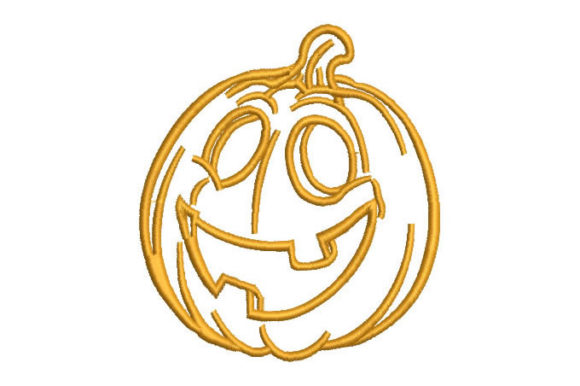
Lineal Pumpkin: A Playful Embroidery Design Review
As an embroidery designer who regularly tests new machine embroidery designs for a busy personalized gift shop, I get excited when a design hits that sweet spot between seasonal charm and everyday warmth. The Lineal Pumpkin design arrived on my test screen with exactly that kind of appeal. It’s not your typical spooky Halloween graphic—this little pumpkin feels happy and cute, drawn in a playful lineal style that reminds me of a cheerful doodle. Right away I could see it becoming a go‑to embroidery file for customers who want something sweet rather than scary.
The first impression is all about gentle lines and an open face that reads as genuinely friendly. The lineal approach means the design relies on clean, connected strokes, giving it a light, hand‑sketched character. It doesn’t scream “holiday” so loudly that it can’t be used for fall birthdays, harvest‑themed gifts, or even a whimsical kitchen accent. This versatility is pure gold for a small shop like mine, where every digital embroidery file needs to earn its place multiple times over.
First Impressions of Lineal Pumpkin’s Charm
Opening the design, I was struck by how modern and almost minimalist the pumpkin looks. There’s no heavy shading, no bulky fill—just flowing, confident lines that build a smiling gourd. The mood is decidedly happy, with a touch of childlike wonder that makes it ideal for baby embroidery and nursery projects. Yet it doesn’t feel juvenile; there’s a classic element to a simple line pumpkin that can also suit a farmhouse kitchen towel or a seasonal pillow cover for a living room. The emotional appeal is rooted in that warmth. When you stitch it onto a finished product, the design seems to invite a smile, and that’s exactly the kind of reaction my customers want from a personalized gift.
I tested the visual impact on both light and dark fabric mockups, and the lineal style shines when the thread contrasts nicely. On a soft off‑white onesie, a warm orange or even a golden yellow thread gives the design a sweet, hand‑drawn glow. On dark fabric, a bright cream or mint green thread makes the pumpkin pop without losing the delicate feel. This design definitely earns its place as a seasonal embroidery file that still feels handmade and personal.
Personalized Gift Ideas with Lineal Pumpkin
When I plan a new design for my shop, I always map out who will buy it and what they’ll stitch it onto. For Lineal Pumpkin, the possibilities are surprisingly broad because it’s not tethered exclusively to Halloween.
For Baby and Nursery
Parents looking for a not‑too‑spooky Halloween outfit for a newborn or a toddler will love this pumpkin. I can easily picture it on a soft cotton onesie with the baby’s name added in a small, complementary font beneath the design. It makes an adorable baby embroidery piece for a “My First Pumpkin” photo session. Nurseries also benefit—stitching this on a linen wall hanging or a small pillow cover creates a sweet, seasonal accent that doesn’t overpower the room. For baby products, I always remind myself to use a plush‑friendly stabilizer and test on a stretchy scrap first, because even the cutest machine embroidery design can pucker on delicate knitwear if you’re not careful.
For Kitchen and Home
Kitchen towels are one of my best‑selling personalized gift categories. A hostess towel with Lineal Pumpkin and a small monogram or a ‘Give Thanks’ script turns a simple embroidered towel into a charming fall present. I also tested the design on an apron pocket, and the lineal scale felt just right—not too big, not too tiny. For a wedding gift, imagine a set of linen napkins with a subtle pumpkin tucked in the corner for an October wedding. It’s a thoughtful touch that feels seasonal without being costume‑y. Pillow covers are another winner; the design stitches beautifully on a 100% cotton cover and brings instant coziness to a couch. Blanket stitching is possible, but I’ll talk about texture caution in a moment.
For Craft Fairs, Etsy Listings, and Custom Orders
If you’re an Etsy seller building your autumn collection, Lineal Pumpkin is easy to mock up for listing photos. A clean printable mockup showing the design on a tote bag, a child’s tee, or a kitchen towel helps buyers instantly imagine the finished product. Because the design is cute and playful, it also attracts the kind of impulse buyer who wants a small, affordable custom embroidery piece. I can easily see this on trick‑or‑treat totes, personalized treat bags, or even as a quick add‑on for a fall‑themed gift basket. For a handmade product seller, having a design that bridges Halloween and general autumn décor multiplies its selling window from late summer all the way through Thanksgiving.
Key Considerations Before Stitching for Clients
No design is one‑size‑fits‑all, and Lineal Pumpkin’s lineal charm comes with a few practical cautions I always share with fellow shop owners.
Fabric Texture and Surface Choices
Thick, textured towels can make fine lines look broken or uneven. If you plan to sell embroidered towel products, test first on the exact towel variety you’ll use. A plush terrycloth might need a water‑soluble topping to keep the stitches from sinking in. Similarly, deeply textured weaves or heavy canvas can blunt the delicate line work. The design feels happiest on smooth, stable fabrics—quilting cotton, linen‑look blends, or soft flannel for blankets. When stitching on baby embroidery items like stretchy onesies, a cutaway stabilizer is non‑negotiable. Without it, those sweet lines can distort after the first wash, and a disappointed customer is the last thing any small shop product needs.
Stitch Density and Small Details
Before running the design on a customer order, I always check the stitch density. A purely lineal design can be too sparse in some spots, leaving visible gaps, or too dense, causing stiff areas that pucker. I run a test on scrap fabric identical to the final material. The pumpkin’s eyes and smile are small details that need to remain crisp. I also look at how well the underlay supports the line work without poking through on top. If any little curves look wobbly after stitching, I adjust the tension or digitizing if allowed, but usually a good quality embroidery file has this dialed in. Still, always test.
Thread Colors, Contrast, and Washing Durability
With a lineal pumpkin, the thread colors you choose make or break the look. I typically sample three combinations: a classic orange on natural cotton, a soft gold on oat‑colored linen, and a white or cream on dark charcoal fabric. Strong contrast brings out the hand‑drawn quality, while tone‑on‑tone can feel subtle and elegant. I also wash my test samples multiple times to check durability. Because the design is made of single‑pass lines, it’s important to secure thread tails well. If you’re selling an item meant for frequent washing—like a baby bib or a kitchen towel—a clean finish and no loose ends keep customer trust high.
How This Design Increases Gift Value and Sales
In my shop, the perceived value of a gift jumps when the embroidery looks intentionally sweet, not mass‑produced. Lineal Pumpkin has that handmade aesthetic that buyers love. When I add a simple monogram or a short phrase next to it, the piece becomes a custom embroidery keepsake. That emotional connection is what makes someone buy a personalized pumpkin towel for their sister instead of a generic one off the shelf. The design also photographs beautifully; in my product photography, the clean lines catch light without heavy shadow, making it perfect for crisp listing images that boost buyer engagement.
Because the design is seasonal but not strictly Halloween, it works for a wider range of wedding gift ideas—think October bride and groom hand towels—or for a housewarming present in autumn. This flexibility means I can keep the design active in my shop from early September through late November, and even into winter for those who love rustic winter squash motifs. Every extra week of relevance translates to more sales for an Etsy seller or craft fair vendor.
Practical Stitching Notes for Shop Owners
Before I ever press start on a customer order, I follow a short checklist. These are the action points I recommend to anyone adding Lineal Pumpkin to their commercial embroidery lineup:
- Test on scrap fabric that matches the final product weight and stretch—always.
- Check thread color contrast with at least two light and two dark fabric swatches to see what makes the lines sing.
- Confirm your hoop size can accommodate the design comfortably. The design’s dimensions should leave at least an inch of clearance for the hoop’s inner edge to avoid hoop burn.
- Review the stitch density after the test run. If the line work gaps or pulls, talk to your digitizer or choose a different thread weight.
- Use a proper stabilizer for the fabric type: cutaway for knits, tear‑away for woven goods, and a water‑soluble topper for plush textures.
- Compare light and dark fabric mockups to see if a single design color works universally or if you need to adjust thread for different backgrounds.
- Inspect small details like the pumpkin’s facial features after stitching; any breaks or missed stitches will show up quickly after washing.
- Confirm commercial licensing before you sell finished products. If the design came with a standard license, ensure it covers the items you plan to list, whether that’s a one‑off baby blanket or a batch of fifty tote bags.
Taking these steps has saved me from countless re‑do’s and has kept my handmade product reputation strong. A happy pumpkin deserves a happy stitch‑out, and that’s what your buyers will feel when they unwrap the gift.
Overall, I’m putting Lineal Pumpkin on my shop’s “yes” list for the upcoming fall season. Its playful personality, clever lineal style, and ability to cross from Halloween into everyday autumn makes it a smart addition to any machine embroidery design collection geared toward personalized gift production. Whether you plan to stitch it on baby items, kitchen linens, or seasonal décor, a little prep and testing will turn this sweet pumpkin into a finished product that feels both special and sale‑ready.