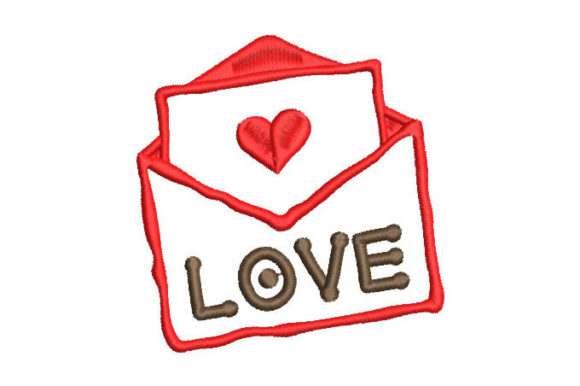
Love Letter Embroidery: A Designer's Craft Fair Review
As I prepare my inventory for a weekend craft fair, I’m constantly evaluating which designs will not only look beautiful in my booth but will actually sell. Today, I’m reviewing the Love Letter embroidery design, a Valentine’s Day themed file described as a beautiful and simple embroidery of a love letter. My goal here is to judge its potential as a craft fair product, from visual appeal to practical production.
First Impression: Elegant Simplicity
Based on the title and description, the Love Letter design leans toward a soft, elegant, and romantic aesthetic. It feels decorative and premium rather than overly cute or boldly festive. This is a key strength. In a crowded craft fair environment, designs that whisper rather than shout often attract a different, more deliberate customer. They appreciate subtlety and handmade quality over loud graphics. This elegant simplicity suggests it will appeal to customers looking for a gift that feels personal and thoughtfully crafted, not just seasonal.
Where Love Letter Stands Out on the Display Table
Imagine my booth: a mix of embroidered tote bags, aprons, tea towels, patches, caps, and small pouches. Where does Love Letter belong?
- Tote Bags & Market Bags: This is a prime candidate. A romantic design on a functional bag elevates a simple product. It becomes a giftable handmade item, not just a carry-all.
- Aprons & Kitchen Towels: For the farmhouse or rustic-leaning customer, this design on a tea towel or apron adds a touch of heartfelt charm. It’s more decorative than humorous, fitting a kitchen aesthetic well.
- Pillow Covers: A small, elegant Love Letter embroidered on a linen pillow cover could be a standout premium product.
- Fabric Pouches & Small Gift Items: Perfect. These are often bought as gifts, and the Valentine’s Day theme paired with a beautiful design makes immediate sense.
- Embroidered Patches: While possible, the “simple” description makes me cautious. If the lettering is too small, it may lose clarity as a patch. This needs testing.
- Caps: Likely less ideal. The curved surface and typically smaller embroidery area on caps might not suit a design meant to be “beautiful” and possibly detailed. It’s more of a flat-surface design.
The best chance to sell, I believe, is on products that are already perceived as gifts or decorative home items. A Love Letter tote bag or pillow cover tells a story at a glance.
Practical Production & Selling Points
As a handmade shop owner, ease of production and visual clarity are paramount.
Design Readability & Scale
A “love letter” design must be instantly understandable. Customers at a fair decide quickly. If it’s too abstract or the lettering is tiny, it fails. This design needs to work as a medium-sized focal point, not a tiny accent. I would avoid miniaturizing it. For batch production, repeatability is key. A simple, clean design often means fewer thread changes and consistent results across multiple items like tea towel embroidery or tote bag designs.
The Photography Challenge
For my Etsy listings and printable mockups, how does it photograph? Elegant designs on neutral fabrics (linen, light cotton) photograph beautifully. However, on dark fabric, contrast is critical. I must test thread colors to ensure the Love Letter remains crisp in product photos. A design that looks good in person but poorly online hurts digital sales.
Customer Attention & Product Value
This design adds perceived value. A plain apron becomes a “romantic kitchen apron.” That story increases buyer engagement at the booth. It encourages questions like, “Is this hand-embroidered?” which leads to conversations about my machine embroidery process and handmade quality. For brand consistency, if my booth has a soft, romantic vibe, Love Letter strengthens that theme.
A Designer's Critical Use Notes
Before I stitch this on any final product, here are my professional checks.
- Test on Scrap Fabric First: Always. I’ll run the embroidery file on the same fabric I plan to use for production, like textured tea towels or dense canvas for tote bags.
- Check Stitch Density & Small Details: The description says “simple,” but “love letter” implies possible lettering. Small lettering can be problematic. I need to inspect the stitch density for thick fabrics and check if tiny details get lost.
- Review Hoop Size & Stabilizer: The correct hoop size and stabilizer are non-negotiable for clean results, especially on items like pouches or pillow covers where the fabric might be lightweight.
- Create a Real Mockup: One finished, physical product—a tote bag or towel—is essential. It tells me how it feels in hand, how colors interact, and how it will look draped on my display.
- Compare Fabric Colors: I’ll test on a light and a mid-toned fabric to see which makes the Love Letter pop more. Dark fabric requires a bold thread choice.
- Confirm Commercial Licensing: The description mentions it comes with multiple embroidery file formats. As a commercial embroidery seller, I must verify the license allows for selling finished products. I will not assume.
Specific challenges to watch for:
- If the design has dense stitch areas, it may pucker on thinner fabrics without proper stabilizer.
- On textured towels, fine lines might not appear crisp.
- At smaller sizes, any intricate elements may blur, reducing clarity.
Final Judgment for the Craft Fair Booth
The Love Letter machine embroidery design has strong potential as a craft fair product. Its elegant and romantic mood aligns perfectly with Valentine’s Day gift shopping. It will likely sell best on giftable, functional items like tote bags, kitchen towels, and decorative pillow covers. Its simplicity should make it reliable for batch production, which is crucial for a busy fair weekend.
My action plan is to immediately test the design on a sample tote bag and tea towel. I will assess its readability, photograph it for my online shop, and ensure the thread colors contrast well on my chosen fabrics. If it passes these tests, it will become a central part of my Valentine’s Day themed display, telling a story of personal touch and handmade romance that I believe will catch a customer’s eye and, more importantly, lead to a sale.
Remember, the success of any digital embroidery file in the real world depends on these practical steps. A beautiful design description must translate into a beautiful finished product on your table.