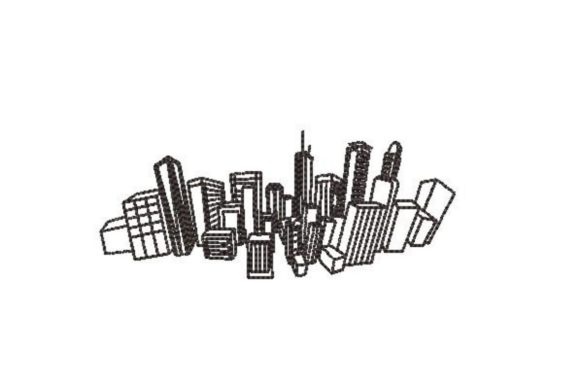
Skyline of an Imaginary City: A Design Review for Business Use
When a small business looks for a machine embroidery design to represent their brand, they’re not just choosing a decoration. They’re selecting a visual asset that will communicate their identity on uniforms, merchandise, and products. Today, I’m reviewing Skyline of an Imaginary City from the perspective of an embroidery designer tasked with applying it to real-world business projects.
First Impression: Building a Brand Personality
The title Skyline of an Imaginary City immediately suggests creativity and vision. It feels neither overly generic nor tied to a specific real-world location, which gives a business tremendous flexibility. The description hints at “great details,” which is promising for creating a premium, professional look. My initial assessment is that this design leans towards a modern, slightly playful, yet classic aesthetic. It could easily feel handmade and friendly for a boutique or bakery, or clean and elegant for a creative studio or florist. This versatility is its first major strength for commercial embroidery use.
Real-World Application: From Patches to Product Labels
Let’s walk through practical scenarios where Skyline of an Imaginary City could become part of a brand’s tangible identity.
Embroidered Patches for Branded Merchandise
An embroidered patch featuring this design is one of the most powerful applications. A small café could sew it onto tote bags as a customer gift. A pet brand might use it as a chest patch on staff polo shirts. For an Etsy seller or handmade shop, a patch on an apron becomes a subtle branding mark that builds customer trust and recognition. The “great details” mentioned are crucial here; a patch needs clear, readable elements to look professional and add perceived value to the finished product.
Uniforms and Workwear Accents
Imagine a local bakery’s team wearing aprons with Skyline of an Imaginary City embroidered on the chest or sleeve. Or a boutique’s staff in denim shirts with this design as a sleeve detail. It acts as a unifying element, reinforcing visual consistency and professionalism. On a cap, it becomes a bold statement for event merch or a retail team. The design’s subject matter—an imaginary city—can symbolize the business’s own unique story or community, deepening engagement.
Tote Bags, Aprons, and Custom Apparel
These are staple items for small business merch. Applying this machine embroidery design directly onto a tote bag or apron transforms a generic item into branded merchandise. For a creative studio or product designer, it elevates a simple work shirt. The key is ensuring the design’s scale and stitch density are appropriate for the fabric texture—a heavy canvas tote needs a robust design, while a fine cotton apron might allow for more delicate detail.
Navigating Potential Challenges in Production
While Skyline of an Imaginary City holds promise, certain applications require careful planning. Here are critical considerations for any embroidery designer or business owner before production.
Size and Scale Considerations
The design must perform at various sizes. If used as a small patch (say, for a product packaging accent), the details must remain crisp without becoming a muddy blob of stitches. Tiny lettering or overly intricate outlines can vanish. Always test the embroidery file at the intended small patch size first. Similarly, on a cap front or curved surface, the design’s proportions need to adapt without distortion.
Fabric and Durability
Items like work shirts or aprons that need frequent washing demand a durable embroidery result. High stitch density in a large area can make a design stiff and prone to wear on flexible fabrics. Testing on the real fabric—a dark uniform versus a light tote bag—is essential. Thread color contrast is vital for readability; a complex design on dark fabric may need a bold color palette. Always use the proper stabilizer recommended for your fabric and project.
Integration with Other Brand Assets
Skyline of an Imaginary City shouldn’t live alone. Before finalizing, compare it beside your other design assets—your logo, typography, color scheme. Does it complement them and enhance your overall brand identity? Creating a printable mockup of the finished product, like a shirt or bag, for client approval is a best practice that saves time and resources.
Professional Designer Notes for a Smooth Project
Based on experience, here is my streamlined checklist for implementing this design for small business merch.
- Test in Black and White: Before committing to thread colors, run a test in monochrome. This reveals the foundational structure and clarity of the design, separating style from substance.
- Confirm the Practical Specs: The product description notes it comes with multiple embroidery file formats. This is excellent for machine compatibility. However, always confirm the specific hoop size requirements, stitch count, and any recommended thread colors before starting commercial embroidery. If these aren’t provided in your download, contact the designer.
- Validate Commercial Licensing: Crucially, ensure your purchase or license for this digital embroidery file permits commercial use on products you intend to sell. Never assume.
- Start with a Prototype: Stitch the design on a scrap of your target fabric. Inspect spacing, thread tension, and overall appearance. This step prevents costly mistakes on a batch of tote bags or uniforms.
Final Verdict: A Versatile Asset for Creative Brands
Skyline of an Imaginary City is more than a decorative element for home-made decorations. Its conceptual nature and promise of detail make it a compelling candidate for a wide range of business applications. For the small café, handmade shop, or product designer looking to build a cohesive, recognizable brand through custom apparel and merchandise, this design offers a canvas for their own imaginary city—their business vision. With careful testing and attention to the practicalities of machine embroidery, it can become a durable, professional, and engaging part of a brand’s physical identity, enhancing product value and customer connection at every touchpoint.