Tractor Cross Stitch: A Rustic Farmhouse Embroidery Review
First Impression: A Bold and Nostalgic Design for Handmade Markets
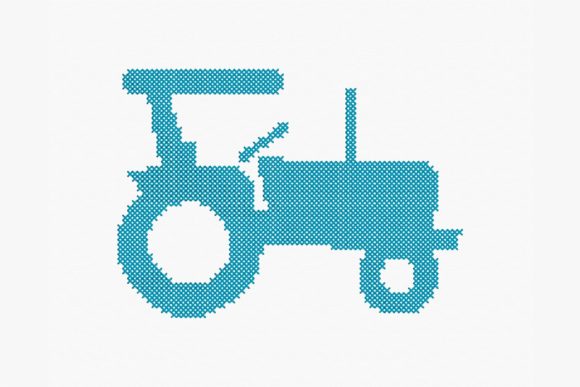
When I first consider the Tractor Cross Stitch embroidery file for my craft fair table, the immediate feeling is rustic and bold. It’s not overly cute or fussy; it carries a sense of nostalgia and sturdy charm that fits perfectly with the ongoing farmhouse aesthetic. This isn’t a minimal, modern graphic—it’s a decorative, statement piece that evokes a sense of heritage and hands-on work, which is a powerful selling point for customers seeking authenticity in handmade products.
Where This Design Will Shine in Your Booth Display
My primary goal is to turn a digital embroidery file into tangible products that catch the eye and sell. For Tractor Cross Stitch, I envision a specific corner of my booth dedicated to rustic, farm-themed items. Here’s where I believe it would perform exceptionally well:
- Tote Bags and Market Bags: A large, clean tote bag is an ideal canvas. The design becomes a focal point, suggesting utility and charm. It photographs beautifully for online listings and feels substantial.
- Tea Towels and Kitchen Aprons: These are perennial craft fair favorites. Stitched on a high-quality linen or cotton towel, the tractor feels functional and decorative, elevating a simple item into a premium handmade gift.
- Pillow Covers: For a farmhouse-style home décor corner, an embroidered pillow cover offers higher perceived value. It’s a product customers notice from a distance.
- Embroidered Patches: This is a versatile and quick-to-produce option. A well-made patch with this design can be sold as-is or applied to hats, jackets, or pouches, appealing to a broader audience.
- Caps: While stitching on a curved surface requires careful planning, a tractor design on a cap has strong niche appeal and can be a standout item in a display.
I would likely avoid very small applications like delicate pouches where the design’s details might get lost. This is a design that benefits from a generous display area.
Practical Production Notes for the Embroidery Business Owner
Turning this design into a reliable craft fair product requires a hands-on review before batch production. My professional checklist always includes:
- Test on Scrap Fabric First: Never trust a file blindly. Stitch the Tractor Cross Stitch on the exact fabric you plan to use—whether it’s canvas for bags, linen for towels, or twill for caps. This reveals any issues with stitch density or pull.
- Check Thread Contrast and Color: This design likely uses multiple thread colors. Ensure they contrast well against your chosen fabric colors, especially on darker backgrounds where details can vanish. Classic reds, yellows, or greens against cream or white fabric often work best for this theme.
- Inspect Stitch Density and Small Details: The description mentions a cross-stitch style, which can involve dense areas. Check for any tiny, intricate parts that might blend together or cause fabric distortion, especially on textured towels. You may need to adjust your stabilizer choice.
- Confirm the Correct Hoop Size: The design’s intended size is crucial. It needs to be large enough to be clear but fit comfortably on your products. A mismatch here ruins the proportions and the handmade quality feel.
- Create at Least One Real Mockup: Before producing a batch, make one finished product—a tea towel or a tote. This is your booth sample. It shows customers the real quality and helps you gauge production time.
- Review Licensing for Commercial Use: The description notes it’s a machine embroidery design file. As a small shop product seller, I must confirm the license allows for commercial production of the finished items I sell at fairs or on Etsy. This is a critical, often overlooked step.
The Visual Appeal and Customer Engagement Factor
At a busy fair, Tractor Cross Stitch acts as a visual anchor. Its recognizable, nostalgic subject matter immediately communicates a theme. A customer browsing might connect it to a memory, a hobby, or their own décor style, prompting engagement. When stitched well on a high-quality item, it enhances the product’s value, signaling care and craftsmanship. This builds brand consistency if your shop specializes in rustic or heritage-inspired goods.
Considerations for Photography and Online Sales
For my Etsy seller side, how a design photographs is paramount. This tractor design, with its likely bold outlines and defined shapes, should photograph cleanly against neutral backgrounds. It’s important to shoot the finished product in a context—a towel on a wooden table, a bag with some farmer’s market props. This reinforces the farmhouse aesthetic and makes the digital embroidery file feel like a real, tangible handmade product. Printable mockups are useful for listing creation, but a photo of the real embroidered item always sells better.
Final Thoughts on Repeatability and Booth Display Strength
For batch production, I assess if a design feels repeatable without losing my interest or quality. Tractor Cross Stitch, given its straightforward and appealing theme, is a candidate for batch work on core items like towels or bags. It would allow me to build a cohesive display—a stack of tractor towels, a row of tractor totes—which creates a stronger, more professional booth presence than a scattering of one-off items. The key is ensuring the embroidery process is smooth and consistent every time, using the right stabilizer and thread. Ultimately, this design isn’t just a file; it’s a potential product line that can attract a specific customer and tell a clear story about the handmade, rustic quality they are seeking to buy.