A Practical Review of the Colorful November Butterfly Design
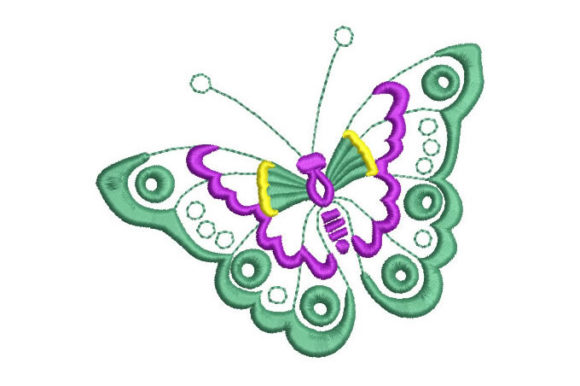
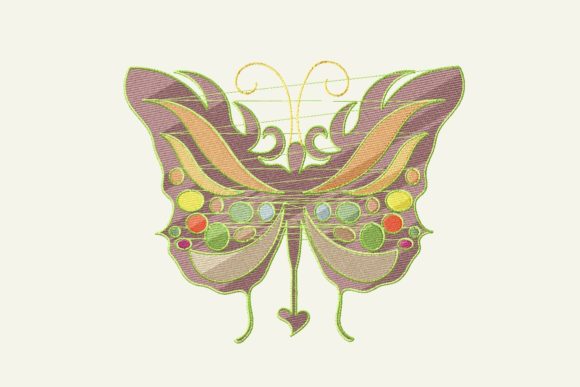
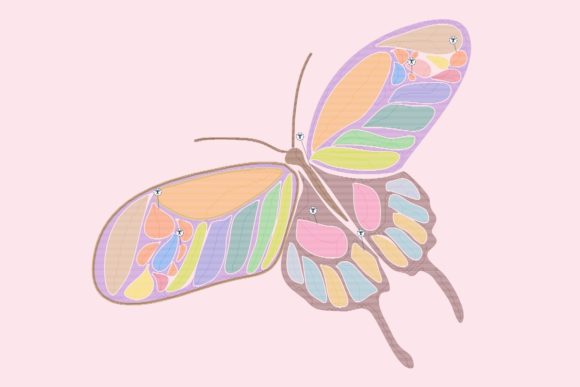
When a new embroidery file lands in your library, the first question isn’t usually about its technical specs—it’s about its soul. What mood does it bring? Where will it feel most at home? Opening the Colorful November Butterfly design, my immediate impression was one of cheerful, almost whimsical abundance. This isn’t a delicate, single-color butterfly; it’s a celebration. The layout is bold, the detail level suggests a pleasing stitch density without being overwhelmingly fine, and its visual personality leans toward playful elegance. It feels destined for projects where a splash of happy color is the entire goal.
The Natural Habitat for This Butterfly
In practice, this design belongs on items meant to brighten a space or a person’s day. Imagine it on a custom tote bag for a friend who loves gardening—the colorful wings become a statement. On a baby’s blanket or nursery pillow cover, it introduces a friendly, non-threatening bug motif. As an experienced reviewer, I instinctively picture it on a kitchen towel or apron, where its vibrancy can withstand the utilitarian context. For small business merchandise, say in a boutique selling handmade home decor, this butterfly could become a signature accent on linen curtains or simple throw pillows, elevating the product’s perceived value through a well-executed, colorful detail.
Where It Flies and Where It Might Struggle
Let’s talk real-life embroidery situations. On a sturdy cotton tote bag or a mid-weight sweatshirt, this design should perform beautifully, assuming proper stabilizer is used. The likely mix of satin stitch for outlines and fill stitch for the wing sections promises good clarity. For apparel decorators considering a t-shirt, caution is needed on stretchy fabric; the design’s apparent coverage might require a heavier stabilizer to prevent puckering. On dark fabric, thread color choice becomes critical—the ‘colorful’ promise must be fulfilled with hues that pop against the background.
A natural real-life scenario: preparing a custom embroidered baby sweater as a holiday gift. Here, the butterfly’s playful personality is perfect. However, you must consider the fabric texture—soft knits can distort details. Testing on scrap fabric first is non-negotiable. Also, the design’s size relative to the small garment matters; a large, dense butterfly on a tiny sleeve might overwhelm it. For curved surfaces like caps, the design’s layout needs to be assessed for any extreme corners that might not conform smoothly to the seam.
Adding Value to Your Craft Business
From a commercial perspective, the Colorful November Butterfly affects several key areas. For Etsy sellers and creative entrepreneurs, it offers a versatile design asset. Its appeal translates well into printable mockups for your digital product listings, showing potential buyers a clear, attractive finished product. It enhances giftability—a personalized towel or pillow with this butterfly feels thoughtful and bespoke. For brand consistency, if your shop’s mood is upbeat and colorful, this design aligns perfectly, building customer trust through recognizable, quality handmade presentation.
However, professionalism demands due diligence. Before selling any finished product, you must confirm the licensing terms of this machine embroidery design for commercial use. The product description suggests broad application, but the specifics are not provided here. Always verify. Furthermore, inspect the small details in a test stitch. Are any areas so densely packed that they might cause thread breaks on your machine? Does it work cleanly in both a 4x4 and a 5x7 hoop? These practical checks directly impact buyer engagement and satisfaction.
Practical Notes for the Embroidery Designer
My final thoughts are a checklist from the worktable:
- Test, always test. Run this embroidery file on the actual scrap fabric you plan to use—a textured linen, a smooth cotton, a stretchy knit.
- Audition your thread colors. The ‘colorful’ aspect is key. Consider a palette that feels like November—perhaps richer autumnal tones rather than spring pastels, depending on your project vision.
- Check its performance in digital mockups. How does it look on a black background versus a white one in your listing photos? This affects perceived versatility.
- Think about washability. If you’re stitching it on a blanket or apparel meant for frequent washing, the stitch density and construction need to endure.
- Finally, listen to the design. The Colorful November Butterfly is clearly not for minimalist projects. It’s for moments that call for a generous, friendly accent. It would feel out of place on a formal blazer but utterly perfect on a child’s backpack patch or a bright market apron.
In essence, this design is a confident choice for makers seeking to inject a specific mood of joyful abundance into their work. Its success hinges not on hype, but on your practical application: matching it to the right fabric, the right product, and the right intention. When you do, that gorgeous butterfly will indeed add a beautiful accent, just as promised.