Review: Flying Green Butterfly Embroidery Design
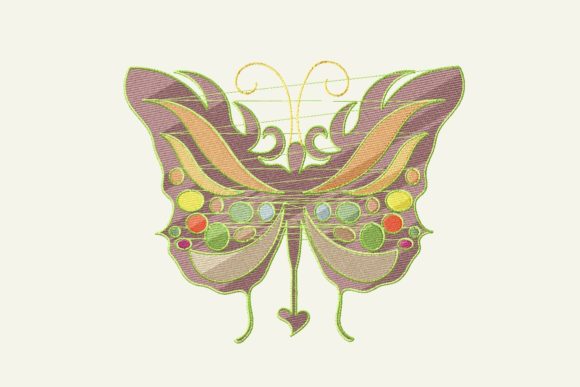
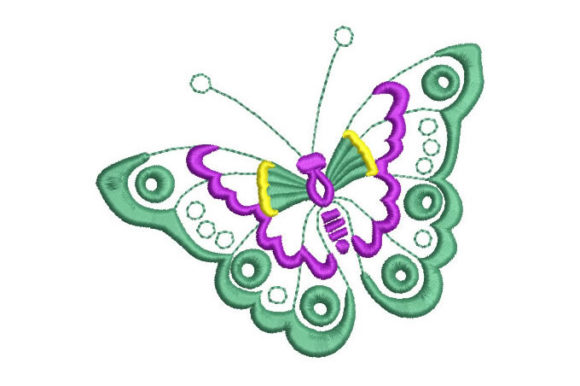
As an embroidery designer preparing for a weekend craft fair, my first step is always to evaluate a design like Flying Green Butterfly not just for its beauty, but for its real-world selling power. This machine embroidery design presents itself as delicate and stunningly beautiful, promising a lovely pop of color. My immediate impression is that it leans toward an elegant and decorative mood rather than cute or rustic. It feels like a premium accent, a piece of nature captured in thread, which is a strong starting point for handmade market products.
Where This Butterfly Flies Best: Product Placement
The description suggests stitching it on pillows, curtains, t-shirts, and scarves. For a craft fair booth, I think more practically. Will it draw customer attention on a busy table? I visualize my display: tote bags, aprons, tea towels, caps, small pouches, pillow covers, and giftable items. Here’s my judgment on where Flying Green Butterfly would truly stand out.
Tote bags and market bags are a prime candidate. A single, beautifully executed butterfly on the front pocket or flap acts as an elegant signature. It’s not overly bold, but it provides that pop of color described, making a simple bag feel special and handmade. Similarly, on aprons, especially a solid-color linen apron, this design placed on the chest or pocket would elevate the product from purely functional to a decorative, gift-worthy item.
Pillow covers are a natural fit, as mentioned. A small cluster or a single butterfly on a throw pillow creates a soft, nature-inspired home decor piece that appeals to a wide audience. For small fabric pouches or tea towels, the butterfly works perfectly as a small accent near a corner. It’s detailed enough to be interesting but doesn’t overwhelm the product’s function.
I would be cautious about using it on caps due to the curved surface and potentially dense stitch areas. It might require careful stabilizer choice and testing. As an embroidered patch, however, Flying Green Butterfly could be exceptional. Appliquéd onto a denim jacket or backpack, it becomes a versatile, removable product with its own appeal.
The Practical Craft Fair Seller Checklist
Turning a digital embroidery file into a sellable handmade product requires a practical eye. Let’s break down the production and selling points for this butterfly.
Visual Impact and Customer Attention
At a glance, a butterfly is universally understood and appreciated. This gives Flying Green Butterfly an immediate advantage. Customers browsing a busy fair will recognize the motif quickly, and the “green” color promise suggests freshness and nature, which is visually appealing. On a product like a tote bag design, it serves as a beautiful focal point without needing explanation, speeding up the buyer’s decision.
Production Considerations for Batch Work
For an embroidery business owner planning to produce multiple items, repeatability is key. The design’s elegance suggests it might have finer details. Here are my notes for batch production:
- Test on scrap fabric first. Always. Use the exact fabric you plan to sell (linen for towels, cotton for totes, etc.) to check stitch quality.
- Check thread contrast. The “pop of color” needs to pop. On dark fabric, you may need to adjust thread colors or use a lighter fabric base for the design.
- Inspect stitch density. Delicate, beautiful designs can sometimes have dense areas that might pucker on thinner fabrics like t-shirts. A good stabilizer is non-negotiable.
- Confirm the hoop size. The description doesn’t specify size. Before running multiple items, you must know the required hoop size to ensure your products can accommodate it. A design too large for a small pouch won’t work.
- Create at least one real mockup. Don’t rely on a printable mockup for your Etsy listing photos alone. A real embroidered sample tells you how it feels, how the threads catch light, and how it sits on the product. This authenticity boosts perceived handmade quality.
Photographing for Online Sales
For Etsy sellers and digital sellers using design assets for listings, this butterfly should photograph beautifully. The color variation and intricate wings will look detailed and premium under good lighting. Shoot it on neutral backgrounds to let the green shine. A series of photos showing it on different products—a pillow, a tote bag, a tea towel embroidery—demonstrates versatility and increases the value of the digital embroidery file itself.
Careful-Use Notes for Specific Applications
Not all products are the same. Based on my experience, here’s where to proceed with caution when using Flying Green Butterfly.
- Textured towels like terry cloth or highly textured linen can obscure fine details. A simpler design might be better.
- Small accent sizes might lose clarity. If you reduce the design significantly for a tiny pouch corner, ensure the butterfly’s form remains recognizable.
- Thick fabrics like denim for caps require robust stabilizers and possibly adjusting stitch density settings on your machine.
- Tiny lettering isn’t mentioned in the description, but if the design includes any minute details, they may not survive multiple washes on a kitchen towel.
For commercial embroidery products, always verify the licensing terms of the file before selling finished products. The description provided does not specify this, so that is a crucial step for any small shop product.
Final Booth Display Strategy
In my craft fair booth, I would use Flying Green Butterfly as a display anchor. I’d create a small collection—a pillow cover, a tote bag, and an apron—all featuring the same butterfly, grouped together. This shows consistency, reinforces the brand of nature-inspired elegance, and allows customers to see the design’s versatility immediately. The green color will naturally draw the eye across the table, especially if placed among more muted products.
Its handmade quality is conveyed through clean stitching on high-quality fabric. The value isn’t just in the item, but in the beautiful application of the art. For boutique makers and creative entrepreneurs, this design offers a path to creating a cohesive, premium-looking product line. It’s decorative enough to feel special but not so niche that it limits your audience.
Remember, the success of a design like Flying Green Butterfly at a fair or in an online shop hinges on execution. Test it. Photograph it well. Place it on products where its elegance is a benefit, not a distraction. Then, watch as it adds that lovely pop of color—and sales—to your handmade business.