Candy Applique: A Sweet Design for Craft Fair Success
As an embroidery designer preparing for a busy weekend at the local craft fair, my first task is to evaluate new designs. I look at each one not just as a digital embroidery file, but as a potential finished product that needs to catch a customer’s eye from across a crowded booth. Today, I’m reviewing the Candy Applique.
First Impression: Sweet, Simple, and Undeniably Cute
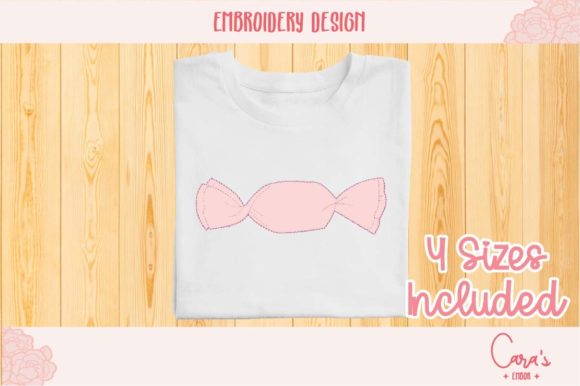
The title tells me everything: Candy Applique. This isn’t a complex, elegant piece. It’s cute. It’s fun. It has an immediate, playful appeal that fits perfectly into the dessert category. The description confirms it’s a “simple embroidery machine applique” and “fun and easy to stitch.” This is a huge plus for production. When I’m stitching dozens of items for a fair, a design that is straightforward and reliable saves time and reduces errors.
The mood here is definitely sweet and decorative. It leans towards a modern, soft aesthetic rather than rustic or farmhouse. It feels like a design that would appeal to someone looking for a cheerful accent, not a bold statement piece. This influences my entire product strategy.
Where Candy Applique Stands Out on the Booth Table
My display table will have tote bags, aprons, tea towels, caps, small pouches, and pillow covers. The Candy Applique needs a home where its sweetness is a strength.
Top Contenders for This Design
Tote Bags and Market Bags: A cute Candy Applique on a neutral canvas tote creates a perfect giftable handmade product. It’s subtle but noticeable, adding value without overpowering the bag’s function.
Aprons and Kitchen Towels: Given its dessert theme, this is a natural fit. A single applique on the corner of a tea towel or the pocket of an apron ties it to a kitchen setting beautifully. It feels cohesive and purposeful.
Small Pouches and Accessories: On a fabric pouch or a mini wallet, this design works as a charming small accent. It doesn’t need to be large to be effective, making it ideal for smaller items.
Products Where It Might Struggle
Embroidered Patches: If the design has very dense stitch areas or tiny details, it might lose clarity when minimized for a patch. I’d need to test this carefully.
Curved Cap Surfaces: Appliques on caps can be tricky. If the design isn’t optimized for the curve, it can pucker. This requires a specific test.
Dark Fabric Backgrounds: The “cute” vibe often relies on bright, cheerful thread colors. On dark fabric, I must ensure the thread contrast is strong enough to keep the design vibrant and readable.
For my booth, I imagine showcasing the Candy Applique on a set of coordinated items: a tea towel, a matching apron, and a simple tote. This creates a story and shows customers its versatility.
Practical Production: From File to Finished Product
Turning a digital embroidery file into a batch of craft fair products requires a practical eye. The description says it’s “easy to stitch,” which I hope translates to manageable stitch density and clear shapes.
Key Steps Before Production
- Test on Scrap Fabric First: Always. I’ll run the Candy Applique on the actual fabrics I plan to use: the textured cotton of a tea towel, the sturdy canvas of a tote, and the smooth cotton of an apron. This reveals any issues with puckering or stabilizer needs.
- Check Thread Contrast and Colors: I’ll stitch it on both light and dark scraps to see if the chosen thread palette pops enough. A cute design loses its appeal if it looks muddy.
- Review Spacing and Hoop Size: While the description doesn’t specify, I must confirm the design fits in a hoop size I commonly use for production. Efficiency is key for batch work.
- Create One Real Mockup: Before stitching twenty tote bags, I make one complete, finished product. This is the only way to judge the final handmade quality and visual appeal in person.
If the design proves to be truly simple and without fussy details, it becomes a repeatable, reliable choice. That’s gold for an Etsy seller or small shop owner juggling production alongside marketing and sales.
Selling Power and Customer Attention
At a craft fair, customers are scanning quickly. A design must be understandable at a glance.
The Candy Applique, with its clear theme, should communicate instantly. Someone looking at a towel with this design will immediately think “kitchen,” “sweet,” or “fun.” This quick recognition is a major sales advantage. It doesn’t require explanation.
For online listings like Etsy, the design’s simplicity is also a benefit. It will photograph cleanly on products. A cute applique on a crisp tea towel is an easy, attractive photo that clearly shows the product’s value. It feels approachable and handmade, not overly commercial.
For brand consistency, if my booth focuses on cheerful, home-decor items, the Candy Applique fits right in. It strengthens the overall display by adding a specific, dessert-themed option. A cohesive booth attracts more engaged buyers.
A Note on Scale and Detail
The description mentions it will look good on “home decor, apparel, accessories, and more.” This suggests versatility. But as a designer, I’m cautious. I need to determine if it works as both a small accent and a larger focal design. Sometimes, a “simple” design stretched too large can feel sparse, while minimized too much can lose important details. My scrap fabric tests will answer this.
Final Designer Advice Before the Fair
My review of the Candy Applique is positive. Its cute, sweet nature aligns with popular craft fair categories. Its promised ease of stitching is a production win. But hope isn’t a strategy.
Here is my direct checklist for any embroidery business owner considering this design for commercial embroidery products:
- Confirm Commercial Licensing: Before selling any finished product, verify the license for the digital embroidery file allows for commercial use. Never assume.
- Compare Fabric Colors: Stitch the design on several colors of your standard product fabrics. See which combinations sell the look best. Maybe it shines on pastel towels but also pops on a navy tote.
- Inspect Stitch Density: A design that is “fun and easy to stitch” should not have overly dense areas that wear thread quickly or challenge lighter fabrics. If it does, adjust your stabilizer strategy.
- Plan Your Booth Samples: Decide which product gives the Candy Applique its best chance. For me, that’s likely a tea towel or apron—items with a functional connection to its theme. Make those your showcase samples.
The Candy Applique has the potential to be a quiet success at your handmade market booth. It’s not a flashy headline act, but a reliable, charming supporting player that can steadily attract customers looking for a touch of sweetness. By testing thoroughly and placing it on the right products, you can transform this simple digital design into a profitable, smile-inducing craft fair product.