Evaluating the Horse Portrait Embroidery Design for Real Projects
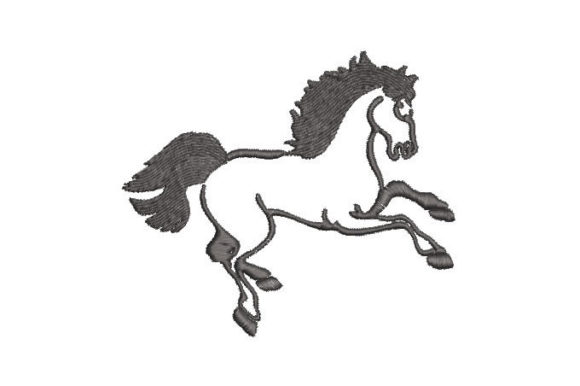
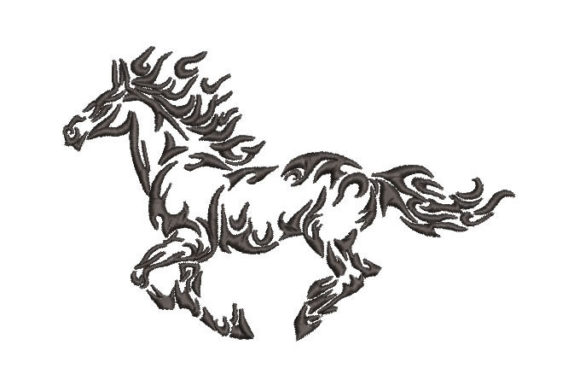
As a designer who stitches for clients and for my own small shop, my first look at a new file is always from a practical standpoint. Does this design have the character to stand out on a finished product? Will it stitch cleanly on the fabrics I typically use? With the Horse Portrait embroidery design, my immediate impression was one of quiet elegance. It’s not a frenetic, action-packed scene; it’s a study of a majestic and mysterious profile, with a mood that feels both serene and powerful. That’s a compelling starting point for a handmade product.
The Kind of Project This Horse Portrait Naturally Belongs To
This design’s personality leans towards the timeless and giftable. I picture it on a premium cotton tote bag for a book lover, or as a central motif on a linen pillow cover in a neutral-toned living room. It has the detail level to feel substantial but not so dense that it becomes a burden on stretchy fabrics. For my craft business, this translates perfectly into boutique items—think a beautifully embroidered apron for a horse enthusiast or a framed, embroidered patch as nursery decor. Its theme isn’t seasonal, so it works year-round for Etsy listings or craft fair products, adding value through its artistic feel rather than just a generic graphic.
Where the Design Shines and Where to Exercise Caution
In real-life embroidery situations, I’d confidently run this on stable fabrics like canvas for tote bags, mid-weight sweatshirt fleece, or quilted cotton for pillow covers. The likely use of fill stitches for the main form and satin or running stitches for outlines should create excellent stitching clarity and a professional finish on these surfaces. However, I’d be careful on very thin or stretchy fabric like a fine t-shirt without ample stabilizer, as larger filled areas might pull. Similarly, on a curved surface like a cap, the design’s larger silhouette would require careful hooping and stabilization to prevent distortion.
For dark fabric backgrounds, thread color contrast is critical. I’d test this design on scrap fabric first with a planned palette—perhaps lighter tones for the horse against a navy bag—to ensure the mysterious mood translates and details don’t get lost. The “majestic” feel depends on that visual clarity.
Thinking Like a Customer: How This Embroidery Affects Product Appeal
When a customer sees this design on a finished product, the reaction I anticipate is recognition of quality. A clean, detailed horse portrait on a handmade item speaks to care and skill. It elevates a simple tea towel or baby blanket into a personalized gift. For a small shop owner, using designs with this aesthetic consistency helps build brand trust; customers come back for that specific, artful look. In commercial embroidery projects, such as a custom order for a riding club’s apparel, this design file provides a ready-made, professional asset that feels bespoke.
The giftability is high. It’s easy to envision this as a wedding gift for a couple who loves the countryside or a holiday gift for a niece who adorses animals. As an embroidery designer preparing such items, I’d pair it with thoughtful materials—natural linen, organic cotton—to enhance its inherent elegance.
Practical Notes Before You Hoop Your Fabric
My process always involves a dry run. For the Horse Portrait, I’d advise a few key steps. First, check the actual provided embroidery file formats for your machine’s compatibility. Since the description notes multiple formats, that’s a good start. Second, stitch it out on a scrap of your intended project fabric. This reveals everything: actual stitch density, how small details like the eye or mane lines perform, and whether your chosen thread colors pop against the background.
Don’t skip testing in black and white mockups for your online shop listings, even if you stitch in color. This helps visualize how the design reads as a shape, crucial for customer engagement in your Etsy or website previews. Always use the proper stabilizer for your fabric—this isn’t a design I’d run lightweight. For items like aprons or kitchen towels that need frequent washing, a robust stitch construction will hold up better, so inspecting the test stitch for loose running stitches or thin fill areas is wise.
Finally, a crucial note for all craft businesses and digital product sellers: confirm the licensing terms. Can you use this machine embroidery design for commercial projects, selling the finished tote bags or sweatshirts? Or is it for personal use only? This check protects your business and respects the designer. Once cleared, this Horse Portrait becomes a versatile asset, ready to add that wonderful, accent of timeless character to your next embroidery project.