The Cartoon Panda Face: A Designer's Review for Real Projects
When a new embroidery file lands on my desktop, I don't just look at it—I think about how it will live on fabric. The Cartoon Panda Face design arrived with the promise of making things "friendly and fun," and I immediately started picturing it on a real, finished product. This isn't about hype; it's about judging a design for its practical use in a workshop, for a client, or for a small shop’s merchandise.
First Impression: The Mood and Mechanics
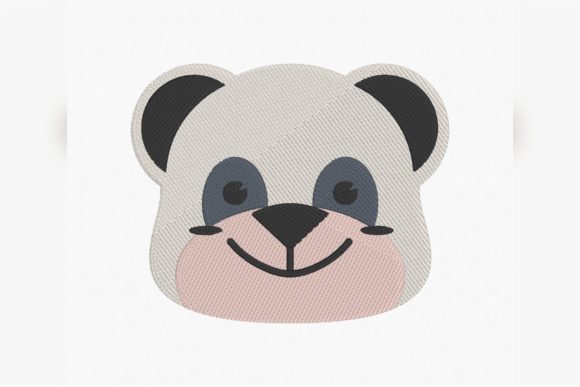
The first thing you notice is the personality. It’s a classic, cheerful cartoon panda face, with that rounded, gentle shape that feels inherently welcoming. The layout is straightforward—a central, friendly focus. This isn’t an overly detailed wildlife portrait from the Wild Animals category; it’s an emblem of cuteness. The detail level looks balanced for a typical machine embroidery design: likely using satin stitches for clean outlines and fill stitches for those big, dark eye patches. It creates a mood of playful innocence, which is a powerful starting point for any project.
The Perfect Project Fit: Where This Panda Belongs
My mind went straight to applications. The description mentions pajamas, t-shirts, caps, and children’s clothes, which is accurate, but as a designer, I think in scenarios. I imagined preparing a custom embroidered tote bag for a boutique—this panda face would sit perfectly in the center, becoming the bag’s entire friendly character. For a small shop product like a baby’s organic cotton sweatshirt, it’s ideal. The scale and theme align perfectly with baby embroidery and nursery decor. It also screams "gift." Stitched onto a nice tea towel or a pillow cover, it becomes a delightful, personalized gift with universal appeal.
For commercial use, like an Etsy seller creating a line of kids’ apparel, this design is a reliable asset. It’s recognizable and emotionally engaging, which helps with buyer engagement in listings. Using it in printable mockups for your digital product previews would show potential buyers exactly the friendly, handmade presentation they’d get.
Stitching It into Reality: Performance Considerations
But how does it perform when the needle hits the fabric? A design’s true value is proven in the stitch. The Cartoon Panda Face seems to have large, solid areas (the black ears and eye patches) and finer details (the face outline and perhaps a little nose). This means you need to think about stitch density and fabric texture.
Where It Will Shine
On stable, medium-weight fabrics like cotton twill for a tote, canvas for an apron, or fleece for a sweatshirt embroidery, this design should stitch out cleanly. The solid fills will look plush and professional, enhancing the product value. On baby clothes made from smooth knit, with the right stabilizer, it will be a charming, durable decoration. For creating an embroidered patch, it’s a fantastic candidate—the clear shapes and friendly theme make a standalone patch highly sellable at a craft fair.
Where to Approach with Care
Some situations require extra planning. On very thin or stretchy fabric, the potential density of those black fills could cause puckering if not stabilized perfectly. Embroidering on a dark fabric background? You’ll need to review your thread color contrast carefully—perhaps making the white face areas pop with a brighter white or even a light grey. Curved surfaces like caps are mentioned in the description, and it should work, but always test the design’s orientation and size on a scrap cap first to ensure the panda’s face doesn’t get distorted by the curve.
Also, consider products that need frequent washing, like kitchen towels or kids’ daily wear. A design with large fill areas holds up well, but using quality thread and securing your stitches is key for longevity and customer trust. On very small hoop sizes, inspect the small details—the tiny stitches defining the smile, for instance—to ensure they remain clear and don’t get lost.
The Designer's Practical Notes for Your Project
Before you commit this panda to a final project, here’s my standard checklist. It’s what I do for every embroidery file I intend to use commercially or for a special gift.
- Always, always test the design on scrap fabric first. Use the same material and weight as your final project. This tells you everything about density, registration, and clarity.
- Check thread color contrast against your final fabric. Do a mental or physical mockup. Sometimes a mid-tone grey for the black parts can look softer on a dark background than pure black.
- Review the design in black and white on your machine’s screen or software. This helps you see the stitch structure without color distracting you.
- Confirm the effective hoop size required. While the description doesn’t specify, your embroidery software will show you the dimensions. Make sure it fits both your machine’s hoop and your product’s available space.
- For craft business items, use proper stabilizer tailored to your fabric. It’s the foundation of a professional finish.
- If you’re creating digital product previews or mockups for your shop, a clean stitch-out of this panda makes a fantastic, trustworthy visual asset.
- Most critically: confirm licensing before selling finished items. The description states it’s a machine embroidery design for multiple uses, but you must verify the specific license terms for your intended commercial use. Never assume.
Final Judgment: A Trustworthy, Friendly Asset
After this practical walkthrough, the Cartoon Panda Face stands out as a reliable, mood-setting design. Its visual personality directly translates to stitching clarity and visual appeal on a finished product. It boosts giftability and fits seamlessly into niches like baby items, casual apparel, and home decor accessories. For a creative entrepreneur, it’s a design that can become part of your brand consistency if you’re focusing on friendly, family-oriented products.
It won’t be right for every project—it’s not a formal logo or a dense, realistic piece. But for where it belongs, it performs its job beautifully: making an item look friendly and fun, exactly as promised. That’s the hallmark of a good embroidery design: it does the real work on the fabric, and in the hands of a maker, it creates something that feels genuinely handmade and engaging.