Artistic Decorative Font: A Designer's Review for Real Projects
When you download a new embroidery file, it’s not just a collection of stitches—it’s a potential brand statement, a gift’s personality, or the soul of a handmade product. As someone who stitches for clients, my own small shop, and personal projects, I look at every design with a practical eye. How will it actually perform? What will it feel like on fabric? Let’s walk through the Artistic Decorative Font from that perspective, imagining it already loaded into the machine, ready for a real job.
The First Glance: A Font That Speaks Before You Read
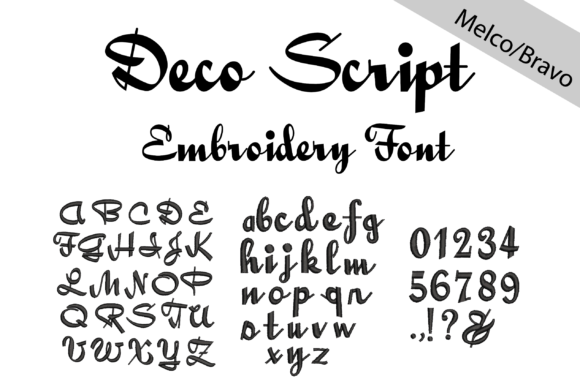
The immediate impression of this alphabet design is decorative elegance. It’s not a stark, utilitarian font. The shapes suggest a theme of thoughtful craft—it feels celebratory, slightly formal, yet warmly inviting. This visual personality is its biggest asset. Before you even stitch a monogram, the layout and detail level communicate care and intention. It naturally belongs to projects where presentation matters: a custom tote bag for a boutique, a personalized pillow cover for a wedding gift, or the lettering on a cherished baby blanket. It’s a font that adds value before the needle even moves.
Where This Design Finds Its Perfect Home
In practical application, this decorative font shines on items where the text is a central feature, not just an accent. I’m mentally picturing it on a high-quality sweatshirt, spelling out a family name. It would elevate a simple apron into a cherished kitchen heirloom. For an Etsy seller creating holiday gifts, this embroidery design could transform a set of tea towels into a premium set. The ornate nature makes it excellent for boutique branding—think shop logos on merchandise or a beautifully branded patch. In my experience, customers react strongly to this style; it feels special, which directly boosts perceived product value and buyer engagement.
Stitching It Into Reality: Performance Considerations
The description notes it's great for monograms and wording for any occasion, and I agree—its versatility is clear. But a professional’s job is to think about the "how." On smooth, stable fabrics like cotton twill for tote bags or fleece for sweatshirts, this design should stitch out with lovely clarity. The decorative elements likely rely on satin stitches and fill stitches to create their effect, so stitch density is a key factor to watch. On curved surfaces like caps, the small, intricate corners might need careful hoop placement and excellent stabilizer to prevent distortion. This isn’t a critique of the design, but a standard note: always test a new embroidery file on scrap fabric that mimics your final project fabric.
Scenarios That Demand Extra Attention
Certain projects require a more cautious approach. For instance, on thin or stretchy fabrics like a lightweight t-shirt, the density of a decorative font could cause puckering unless properly stabilized. Embroidering on dark fabric demands high-contrast thread colors to maintain the design's elegant visibility. If you’re planning a project on a textured fabric like a towel, the fine details might get lost. And for items destined for frequent washing, like baby clothes, you’d want to ensure the stitching is secure and the design isn’t so dense it stresses the fabric. The beauty of this font is undeniable, but its application needs smart matching.
Practical Notes From the Hoop
My standard process for any new design like this involves a few non-negotiable steps. First, I stitch it out on a scrap—preferably in both a light and dark background—to see how the machine embroidery design behaves. I check thread contrast and inspect the smallest details. Does the lettering remain legible at the size I need? I also run a simple test: does it look good in a black-and-white printable mockup for my digital product listings? For commercial embroidery or selling finished products, confirming the licensing terms is essential before any client work or Etsy listing goes live. The product description hints at versatility, but the specifics on hoop size and file formats are things you’ll need to verify from the source.
Turning a Design Into a Trusted Product
Using a design like Artistic Decorative Font consistently across a product line—say, a series of monogrammed nursery decor items—builds brand consistency and customer trust. It makes your handmade presentation feel professional and deliberate. For creative entrepreneurs, this kind of font can become a core design asset. Its giftability is high; a personalized item with this font feels like a kept treasure, not a generic item. That’s the ultimate goal: an embroidery project that resonates, looks beautifully crafted, and stands up to the expectations of real use.
The Final Verdict: A Font for Creative Confidence
In the hands of a crafter, small business owner, or apparel decorator, this artistic font is a tool for elevation. It’s not for every single quick job, but for those projects where the stitching is the message. Let your creativity flow, as the description says, but flow it onto the right canvases. Pair it with thoughtful materials, proper technique, and a clear vision for the finished product. When you do, you’ll love the results—and so will your customers, clients, or the lucky recipient of a personalized gift. That’s the real measure of a design’s worth: not just in the file, but in the fabric, and in the reaction it earns.